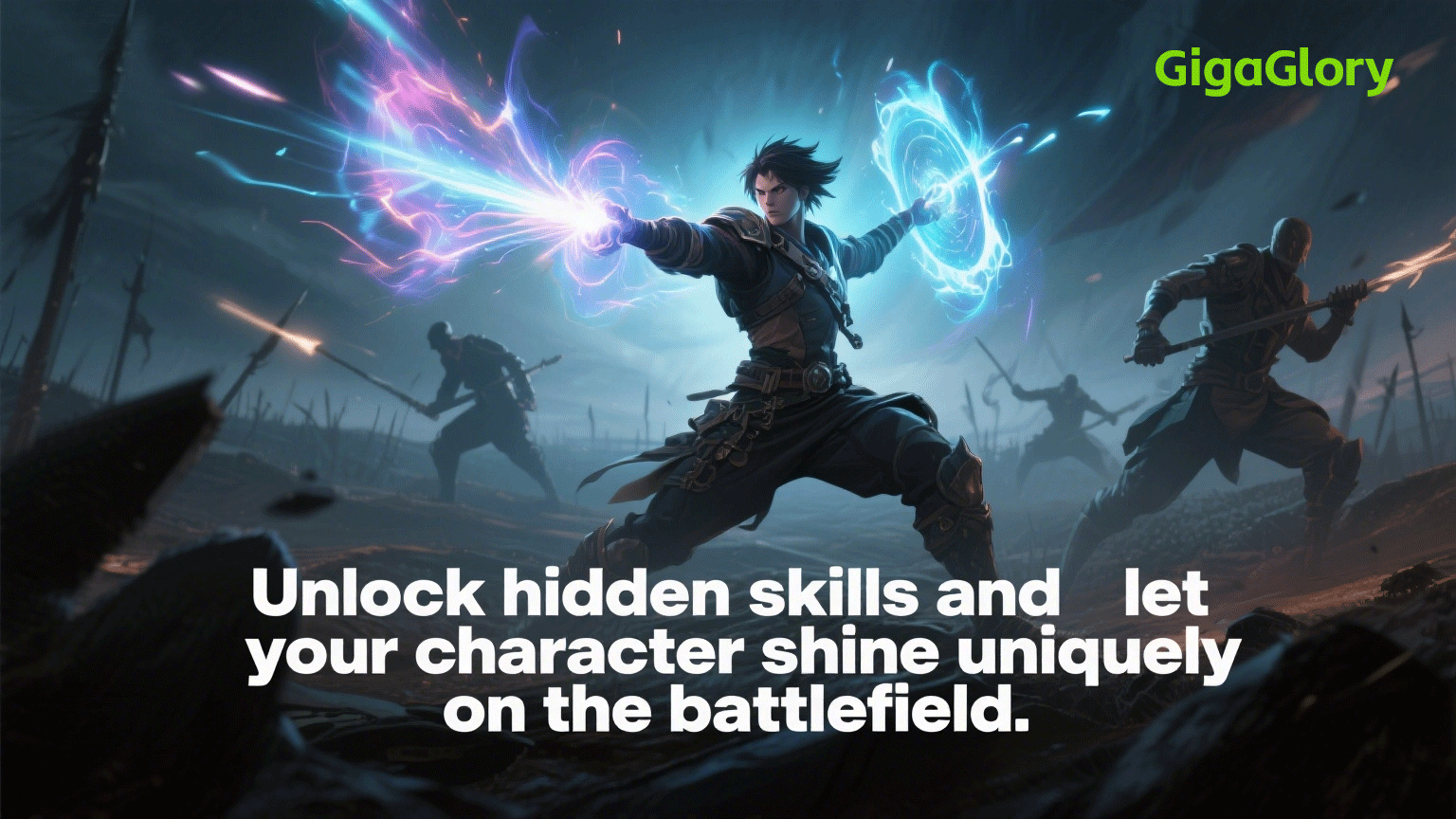
How MMORPGs Are Paving the Way for Engaging Educational Games
The rise of MMORPGs (Massively Multiplayer Online Role-Playing Games) has changed the gaming landscape forever. While many players dive into fantastical worlds, battling fierce monsters and completing intricate quests, the potential of these games is being expanded beyond entertainment. In recent years, developers have started to explore how these immersive experiences can translate into educational environments. Let's delve into how MMORPGs pave the way for engaging educational games.
The Allure of Multiplayer Engagement
MMORPGs are not just about solo adventures; they emphasize community and social interaction. Players team up to tackle challenges and forge friendships along the way. This concept can beautifully transition into educational settings. Consider a scenario where students collaborate to solve history mysteries or work together on science experiments within a game world. Here are some key points to consider:
- Social learning enhances retention.
- Teamwork teaches valuable life skills.
- Collaboration can lead to increased motivation.
Immersive Storytelling Techniques
Storytelling is at the heart of MMORPGs. Players become part of intricate narratives, often influenced by their choices. In the educational realm, this approach can transform boring facts into compelling tales. Think of how students learning about ancient civilizations can participate in quests related to that era. Just imagine! They won’t just memorize dates; they’ll *experience* history through interactive gameplay.
| Traditional Learning | MMORPG Learning |
|---|---|
| Memorizing Dates | Experiencing Historical Events |
| Reading Textbooks | Participating in Interactive Quests |
| Standard Assessments | Role-Playing Scenarios |
Gamification: The Key Driver
Gamification is a buzzword these days, and for a good reason. MMORPGs inherently use it to keep players engaged. Applying gamification strategies in educational games can greatly increase students’ interest and participation. By rewarding players with points, badges, or achievements, learners receive a sense of accomplishment, making education feel less like work and more like a challenge. This can be particularly seen in titles like "Halo RPG Game," which emphasizes both fun and learning.
Adaptability for Various Learning Styles
Every student has a unique learning style. MMORPGs are inherently flexible, allowing for different approaches to problem-solving and skill development. Some students might thrive in a role where they can strategize in the heat of combat, while others may excel in crafting and resource management. An engaging educational game might feature different paths tied to diverse subjects. For instance:
- Problem-solving skills: Addressed through puzzles and quests.
- Critical thinking: Enhanced by strategy planning during gameplay.
- Creativity: Fostered through character and world creation.
Real-World Applications and Skills Development
Educators can harness the immersive nature of MMORPGs to teach real-world skills and concepts. In a game inspired by "Rainbow Six Siege," for example, players could learn about teamwork and strategy development while cooperating to achieve common goals. Whether in a virtual classroom or a traditional one, the lessons derived from these experiences can manifest in everyday life.
Building a Sense of Achievement
One often overlooked aspect of MMORPGs is the incredible sense of achievement they provide. Completing quests or leveling up is immensely rewarding. Transferring this concept to education can help students set goals and work diligently towards them. When young learners can witness their progress in a tangible way, level up their skills, or overcome obstacles, they will be motivated to continue their educational journeys.
The Future of Education: A Blend of Gaming and Learning
As we look ahead, the integration of MMORPGs into educational games seems bright. With continuous advancements in technology and game design, educators are increasingly recognizing the potential of gamification and immersive storytelling. It is essential to keep moving towards these innovative solutions to capture the attention of future generations of learners.
Conclusion
In conclusion, MMORPGs hold an exciting key to revolutionizing engagement in educational games. By leveraging their strengths—social interactivity, immersive storytelling, adaptability, and real-world skill development—we can create engaging learning environments that captivate students’ imaginations. As we embrace these opportunities, we might just find that the way forward in education is paved with adventure and teamwork, much like the thrilling worlds found in MMORPGs.