Why RPG Games Are Transforming the Future of Gaming: A Deep Dive into the Evolution of Interactive Entertainment
In recent years, the gaming landscape has witnessed a remarkable transformation, largely driven by the rise of RPG (Role-Playing Games) games. These innovative forms of interactive entertainment are reshaping not just how we play, but how we experience gaming as a whole. Let's explore this evolution and consider why RPGs are becoming a cornerstone of the gaming industry.
The Allure of RPGs
One significant factor contributing to the popularity of RPG games is their immersive storytelling. Unlike traditional games, RPGs allow players to step into the shoes of their characters, often crafting unique narratives that engage them on a personal level. The blend of strategy, character development, and deep storytelling ensures that players feel invested. Here's a rundown of what makes RPGs tick:
- Character Customization: Players can tailor their avatars to reflect their personalities.
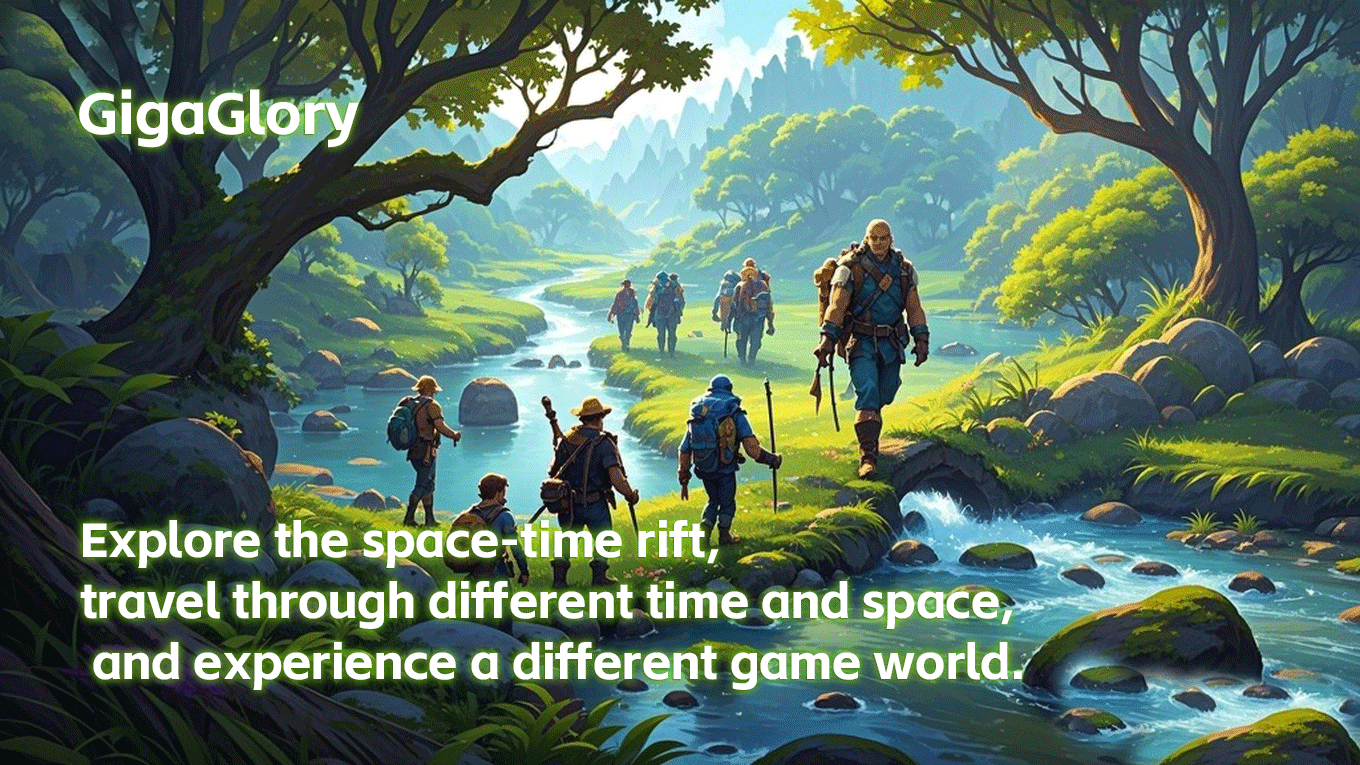
- Expansive Worlds: Vast landscapes filled with quests and lore invite exploration.
- Complex Decision-Making: Choices matter in RPGs, impacting the story and gameplay.
- Community and Social Interaction: Multiplayer RPGs foster collaboration and competition among players.
The Evolution of RPG Games
To understand the influence of RPGs, we must delve into their evolution. The genre started with tabletop games like Dungeons & Dragons, which laid the groundwork for modern gaming. Over time, technology advanced, ushering in a new era of video game RPGs. Let’s take a quick look at this timeline:
| Year | Milestone |
|---|---|
| 1980s | Introduction of text-based RPGs |
| 1990s | Emergence of console RPGs (Final Fantasy, The Legend of Zelda) |
| 2000s | Development of MMORPGs (World of Warcraft) |
| 2010s | Rise of indie RPGs and mobile gaming |
| 2020s | Integration of VR and AR in RPG experiences |
The Future of RPGs
As we look ahead, what can we expect from RPGs in the coming years? The possibilities seem endless:
- **Enhanced Visuals and Graphics:** With technology leapfrogging year on year, RPGs are set to become even more visually stunning.
- **AI Integration:** Expect smarter NPCs that learn from player interactions and evolve.
- **Cross-Platform Play:** Players from different platforms can interact in shared worlds.
- **Increased Personalization:** RPGs may offer deeper customization to players, making their choices even more impactful.
Moreover, innovations in narrative structure will pave the way for new experiences. We might see more games experimenting with non-linear storytelling or complex character arcs that reflect a blend of player decisions and spontaneous game mechanics.
Conclusion
RPGs are not just games; they are socio-cultural phenomena that provide a unique blend of storytelling and interactive experiences. As they continue to evolve and push the boundaries of what gaming can be, RPGs will undoubtedly play a pivotal role in shaping the future of interactive entertainment. For players, this means deeper narratives, more custom options, and a gaming experience that feels more like living a second life than merely playing a game.